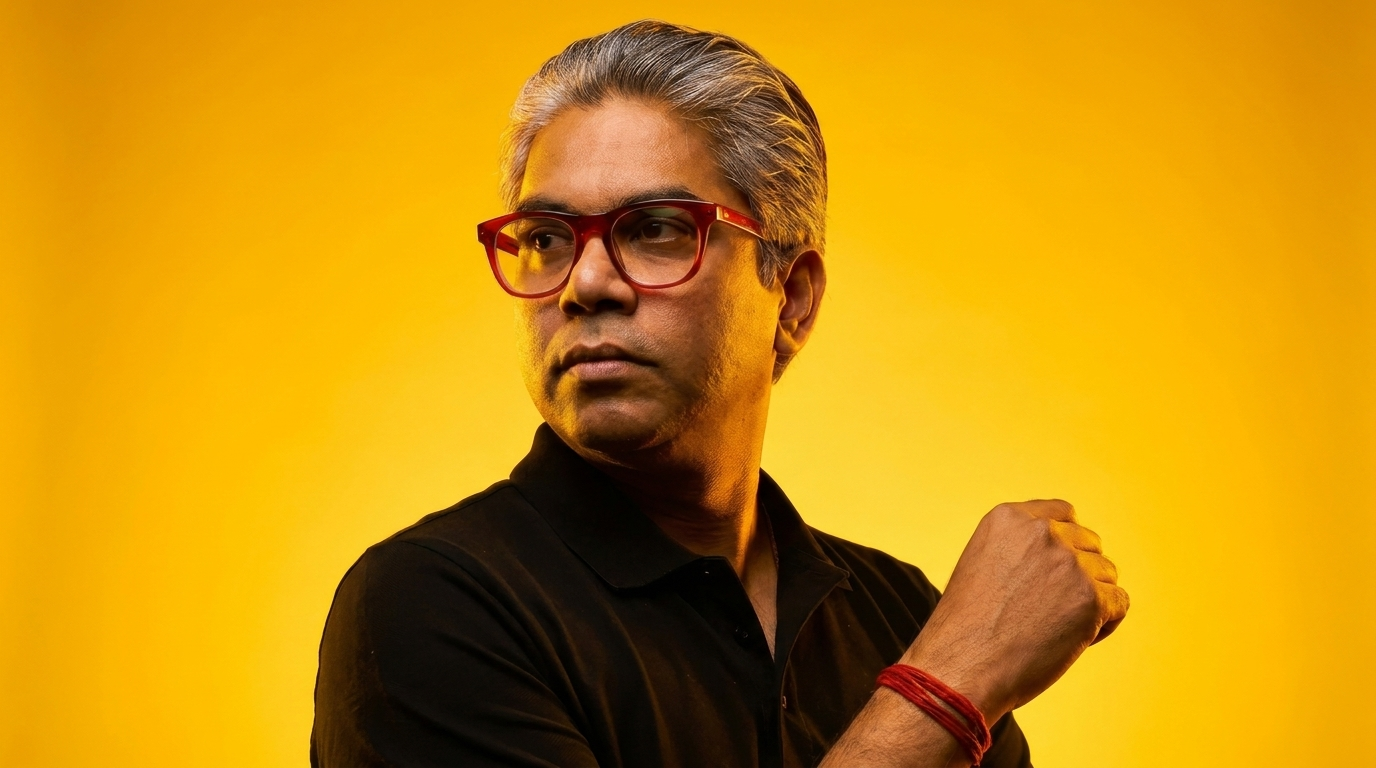
From performance marketing to product imagery — the same obsession, a different canvas.
In 2004, I walked into WebChutney — ranked by Economic Times as India's #1 digital advertising agency, above Ogilvy One. I was an analyst. My first assignment: manage India's leading job portal's entire digital campaign. Approximately $432,000 annually. 80+ simultaneous Google AdWords campaigns. Over 3,000 keywords.
Most analysts looked at campaigns through the interface and made surface adjustments. I couldn't work that way. I downloaded everything — every keyword, every click, every rupee — into spreadsheets. Built pivot tables. Examined each keyword individually.
Within 100 days, I'd reduced cost per acquisition by 18% — from approximately $1.43 to $1.19 — saving the client around $215 every single day, which translated to approximately $78,000 annually.
I was promoted to Senior Analyst before most people had finished settling into their first job.
Over the next few years, I kept climbing — not because I chased promotions, but because I kept solving problems nobody else could see. I saved Fortune 500 banking clients on the verge of churning. I designed BookMyShow's very first digital campaign from scratch. I built manual tracking systems using URL parameters and custom tagging that made campaigns outperform expectations.
By 2007, I became Business Head of Performance Marketing for the Bombay division — full P&L accountability, Fortune 500 clients, the entire performance marketing division reporting to me.
Then I stopped.
In 2009, I did something that surprised everyone. I left it all — the clients, the budgets, the corporate ladder — and went on a solo pilgrimage across India. Seven months on the road. Then I studied yoga philosophy for years.
I was running toward something I'd glimpsed but couldn't name yet.
And somewhere in those years of stillness and study, one thing became completely clear: I had no desire to go back. No corporate ladder. No daily commute. No city hustle. No conference rooms and quarterly reviews. I wanted to carve out something different — a career built entirely on my own terms, solo, without the machinery of a company around me.
Back then, freelancing was the only real path for someone who wanted that. So I took it. I kept my skills sharp, took on work I found interesting, and stayed curious. No grand plan — just a quiet resolve to never go back to the old way.
Then AI arrived. And something shifted. Suddenly, one person could do what used to take a team. The tools that had been gatekept behind agencies and studios became accessible. The idea of a serious, high-quality one-person company stopped being unusual — it became a real thing. A growing thing.
That's the current that gradually shaped what became Viralist.
Two decades of performance marketing had taught me one thing above all else: conversion is everything. Every campaign, every keyword, every rupee — it all exists to move someone from browsing to buying. And the final moment of that journey — when someone actually pulls out their credit card — happens on a product page. On Amazon. On Shopify.
I looked at those product pages and saw exactly what I used to see in underperforming campaigns: gaps. Unanswered questions. Silent salesmen. A customer wonders: Will it leak? Does it fit my cabinet? Will it last? These questions go unanswered in image after image. And each unanswered doubt is a lost sale — exactly like a bleeding keyword in an AdWords campaign.
So I built Viralist. Using AI and research-driven strategy, I create product images that function like a trained salesman. Research-backed. Strategically positioned. Built to remove objections, glorify features, and answer the exact questions buyers are asking before they ask them.
Same obsession. Same granularity. Same rigor. Just a different canvas.